
Nitrate Pollution Costs Wisconsinites Money, Health, and Habitat
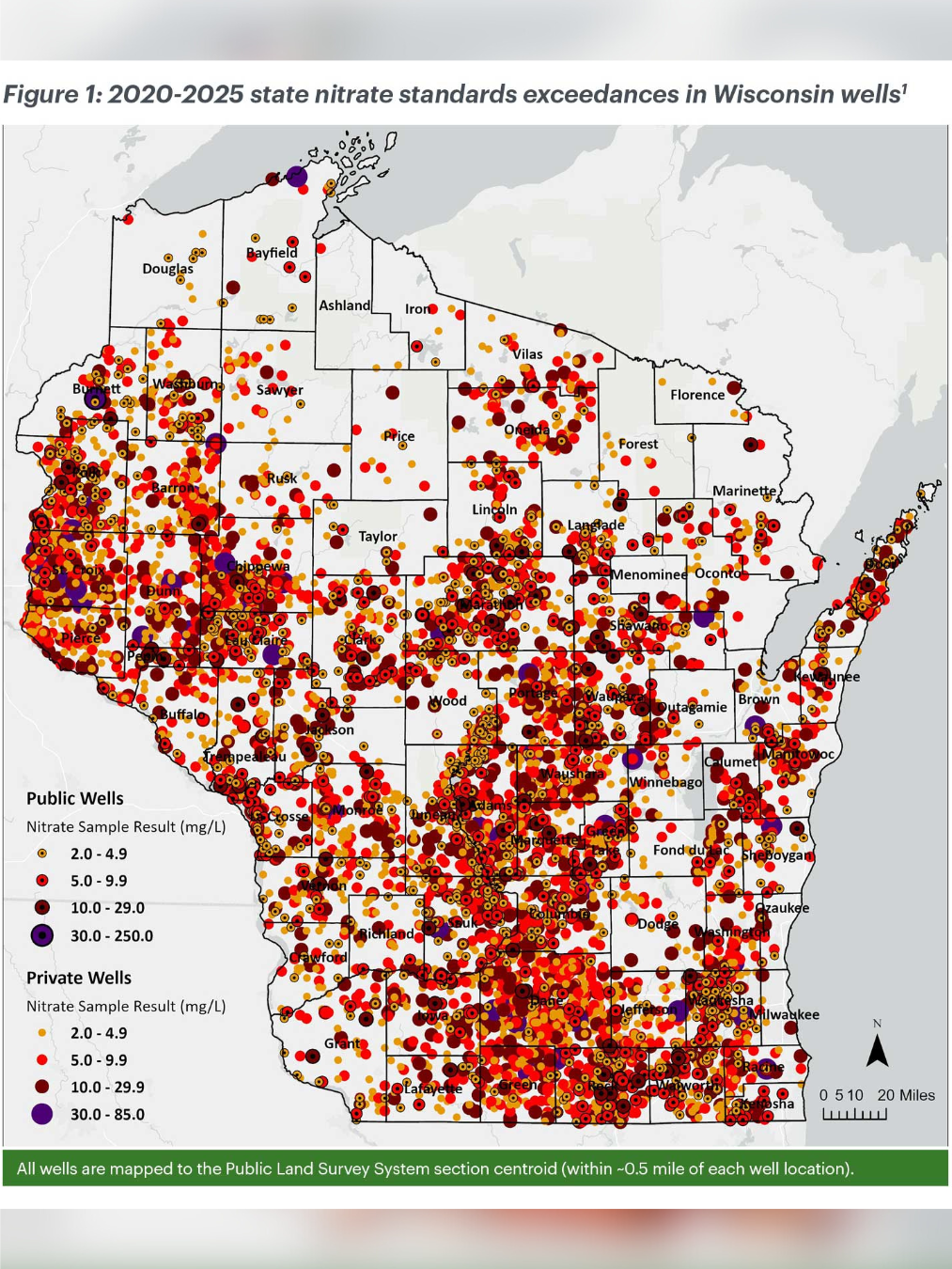
This figure from Nitrates on Tap shows the location of wells in Wisconsin that exceed state standards for nitrate contamination.
In groundwater sources across Wisconsin, an invisible pollutant is degrading aquatic ecosystems, threatening human health, and costing local communities millions of dollars. This chemical, known as nitrate, is the most widespread groundwater contaminant in Wisconsin, and it can cause serious problems.
According to a new report, Nitrates on Tap: The Cost of Nitrate Contamination in Wisconsin’s Drinking Water from the Alliance for the Great Lakes and Clean Wisconsin, nitrate pollution has climbed steadily since 2013, affecting both municipal drinking water systems and private wells.
Nitrates cost Wisconsinites an estimated $23 and $80 million in health-related expenses each year. Chronic nitrate exposure is linked to a higher risk for cancer, thyroid disease, birth defects, neural tube defects, and infant methemoglobinemia—known as “blue baby syndrome”—among other serious conditions.
Nitrate can build up in groundwater from a variety of sources, but more than 90% comes from extensive use of nitrogen-heavy crop fertilizers and manure. Nitrates on Tap recognizes private landscaping, golf courses, and septic treatment systems as other, yet less statistically significant, sources.
“The biggest user of nitrogen out there—in Wisconsin, but also worldwide—is agricultural production,” says Sara Walling, water and agriculture program director for Clean Wisconsin. “Only somewhere between 40% and 60% of what is applied is estimated to actually get taken up by the crop.”
Any nitrogen not absorbed by the crop leaches out of the soil to groundwater, runs off into nearby waterways, or is released into the atmosphere as a greenhouse gas called nitrogen oxide.
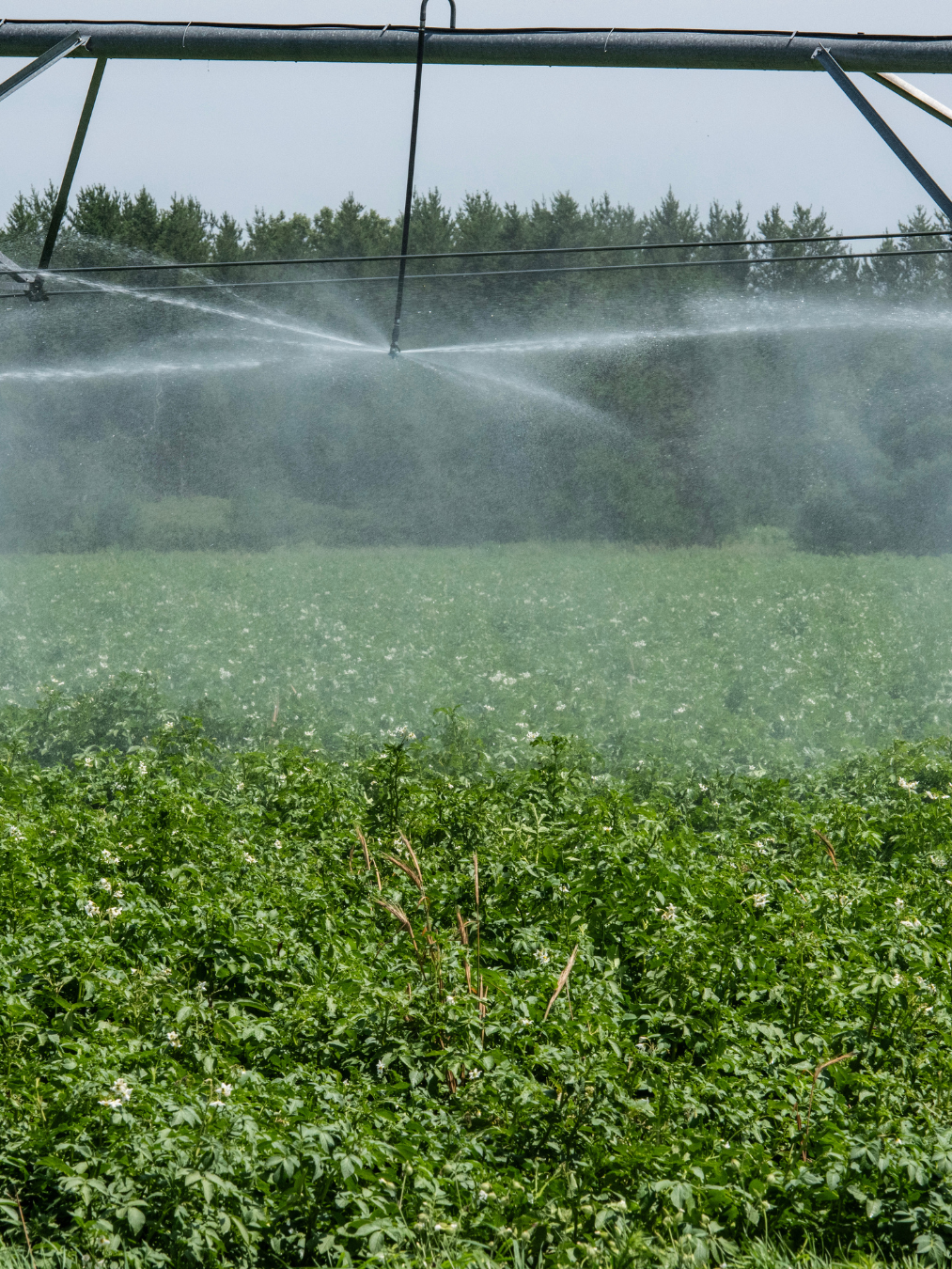
The agricultural industry is a major source of nitrate contamination in the Great Lakes region and beyond.
Nitrates on Tap estimates that as much as 16 million pounds of excess nitrogen were applied to crops in Wisconsin in 2022. In addition to harming public health, the resulting pollution is dangerous for the environment, particularly when it enters local water bodies. There, nitrate contamination can increase toxic algal bloom toxicity, degrade fish and wildlife habitat, and contribute to fish kills.
These concerns don’t stop at Wisconsin’s borders. The environmental effects of nitrate contamination impact aquatic habitats and fishing communities across the Great Lakes region, down the length of the Mississippi River, and into the Gulf of Mexico, where nitrogen from Midwestern states has caused nearly $2.4 billion in habitat and fish population damage each year since 1980.
To combat these concerns, Clean Wisconsin works to create policies and programs that incite farmers throughout the state to implement management practices that reduce nitrogen losses, such as planting cover crops, using nitrogen inhibitors, and applying nitrogen in smaller doses that crops can more easily absorb. These methods can reduce the amount of nitrogen farmers need to apply, saving them money in an increasingly difficult agricultural economy.
Walling says reducing fertilizer use is, “a win-win” for both farmers and the environment. Based on the report’s estimate, with rising fertilizer costs, farmers may be spending between $8 million and $11 million on unneeded nitrogen fertilizer each year in the state. Not only is this money wasted, but the resulting nitrate contamination of drinking water sources ultimately passes additional expenses on to the residents of surrounding communities.
To comply with the federal maximum contaminate level for nitrates, which was set at 10 parts per million in 1962, municipal water systems must take on expensive nitrate mitigation technologies, the costs of which are passed on to ratepayers in the form of elevated monthly water bills.
“I think not enough of us appreciate how much we're already spending on this Band-Aid solution,” says Walling.
For homeowners not connected to municipal water systems that supply clean water for them, nitrate contamination is a huge issue. Rural homeowners typically pull their water from one of Wisconsin’s 800,000 private wells, 10% of which surpass federally acceptable nitrate contamination levels, according to Nitrates on Tap. In highly agricultural areas, well contamination levels can jump as high as 30%.
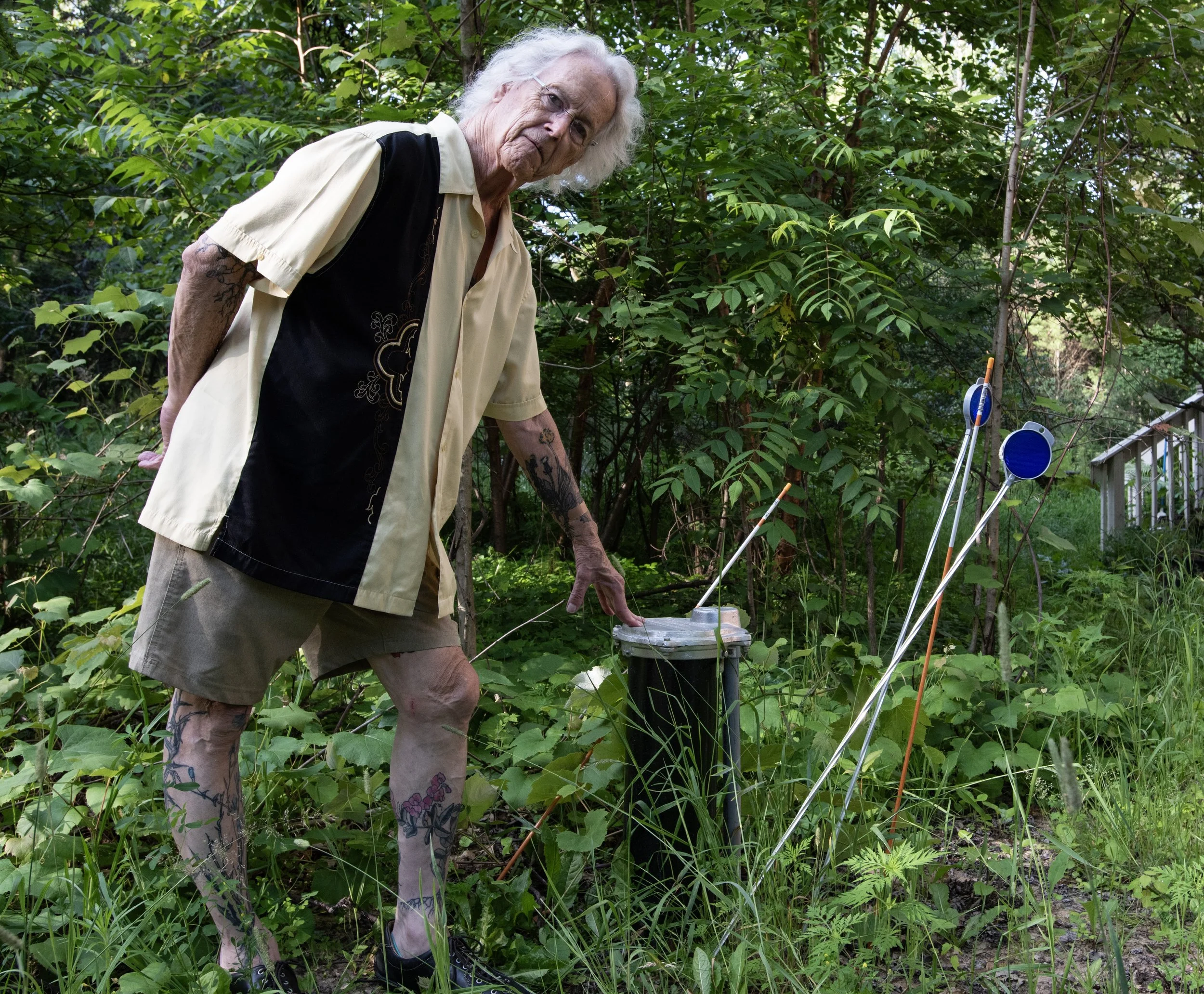
Mark Brueggeman with his new well in Nelsonville, Wisconsin. “With the old well, my nitrate reading was 15. So, I couldn’t drink the water coming out of that well until I bought a reverse osmosis system. This new well is 197 feet down. The new well cost me almost twenty thousand dollars. But now, the nitrate level reading is .3. So, the water is now safe to drink but I’m still using the RO system just to be on the safe side of things."
These Wisconsinites are left with limited, expensive options. They end up relying on bottled water, installing costly reverse osmosis filtration systems, and digging new or deeper wells, which can cost up to $30,000 apiece. For many families, Walling says, these expenses aren’t feasible.
To address this, Nitrates on Tap advocates for expanding the state’s well testing efforts and its Private Well Compensation Program, which provides homeowners with financial assistance to remediate contaminated wells.
“Right now, that program has some really unrealistic eligibility requirements that make it nearly impossible for private homeowners whose wells are solely contaminated by nitrates to access financial and technical support,” says Walling. “We also need greater well testing. … The problem is multifaceted, and the solutions also need to be.”
Nitrates on Tap proposes a collection of solutions: updating state water and agriculture standards to reflect recent research on the dangers of nitrates; improving the transparency of nitrate-related costs passed on to ratepayers by municipal water systems; and providing farmers with more financial and logistical support as they adopt plans and practices to reduce nitrogen losses.
“Nitrogen is a key component of agricultural systems and productivity to provide the food, fiber, and fuel we rely on,” says Walling. “Our interest in bringing this forward is certainly not to demonize agriculture, but to re-elevate nitrogen and nitrate issues in the general public and with our agencies and policymakers so we can identify effective, long-term solutions to address this environmental problem.”
Walling has been working on water quality issues in Wisconsin for 20 years, and in that time, she says nitrates have become an increasingly important conversation across the Great Lakes region.
“This is not a Wisconsin-isolated issue,” she says. “Look to your own policymakers and to your own agencies to figure out what they can do—or are already doing—to address this problem.”